Houston, TX · Updated
Polyurea Floor Coating in Houston: When Needed and Local Rules
Polyurea floor coating is a durable option for homes in Houston. About 47.7% of buildings in Harris County were built between 1945 and 1982 (Kinder Institute (Rice): Why Does Houston Seem So Young?).
Free to use. One matched pro, and we tell you who before they contact you.
The median building year in the City of Houston was 1970 (Kinder Institute (Rice): Why Does Houston Seem So Young?). This information helps understand how older homes might need different considerations when selecting materials.
Polyurea and epoxy options for historic homes in Houston
In historic homes in Houston, choosing between polyurea and epoxy depends on local climate and code factors. Houston's construction codes and climate influence material selection for long-term performance.
Houston’s 2021 construction codes took effect January 1, 2024, after City Council adoption on October 25, 2023 (Houston Permitting Center: Construction Code Amendments). Polyurea and epoxy both require proper surface prep to meet code standards for durability and safety in residential applications. For example, slab strength must be adequate before applying any coating to avoid failure over time.
Houston’s climate features an August high of 94.9°F and a January low of 43.7°F (NOAA NCEI U.S. Climate Normals 1991-2020, Houston Intercontinental (USW00012960)). This wide temperature range can affect the performance of coatings. Polyurea’s flexibility makes it more suitable for areas with frequent temperature shifts, while epoxy may require additional UV protection to prevent yellowing in high-heat environments like garages or patios. A UV-stable topcoat is recommended for long-term use.
What are the differences between polyurea and epoxy for garage floors in Houston Heights?
Polyurea cures faster, is more flexible, and resists chemicals better than epoxy. Epoxy offers a glossy finish but needs thorough prep to avoid issues like peeling or fish eyes. Both need proper moisture control for long-term performance.
Houston epoxy versus polyurea
Epoxy is durable and glossy, ideal for low-traffic areas when properly prepared. Polyurea is more flexible and cures faster, making it better suited for high-traffic or chemically exposed environments like industrial garages.
What changes the price in Houston
Local rules and conditions that change what you do, choose or pay for this job, each with its source. More rows: full table.
| Local rule or condition | What it changes | Source |
|---|---|---|
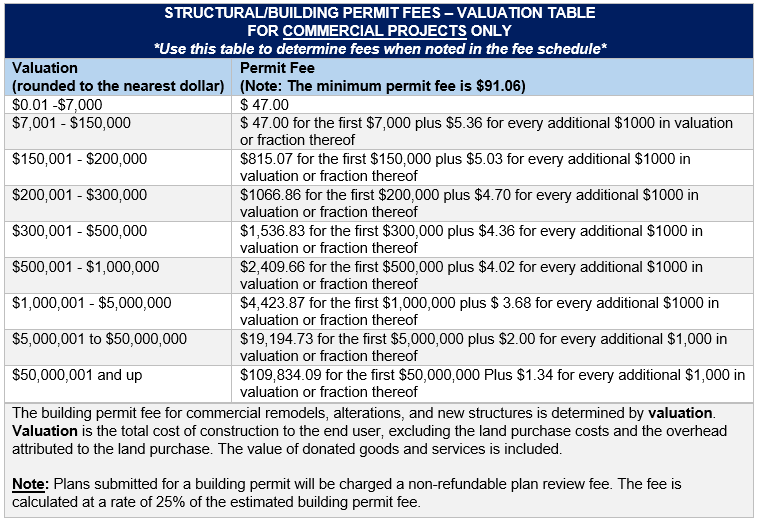
| Houston's 2026 building fee schedule sets a minimum permit fee of $91.06 | A minimum permit fee of $91.06 applies for this project in Houston (source). | City of Houston Building Permit Fee Estimator, FeeSchedule_2026 |
Illustrative example based on the public data cited on this page (October 2026), not a quote — your contractor's written contract sets the price.
How Older Houston Homes Affect Polyurea Coating Prices
Older Houston homes built before 1980 may influence polyurea coating costs due to surface conditions and potential lead-based paint (ACS 5-year 2020-2024, B25034 Year Structure Built). Homes constructed in 2010 or later may have different materials affecting compatibility (ACS 5-year 2020-2024, B25034 Year Structure Built). Surface preparation requirements vary based on construction era, impacting project expenses.
Older homes may also have materials that are less compatible with polyurea, increasing labor or material costs depending on the floor's current state before coating application.
However, surface condition still plays a key role in determining final expenses regardless of construction era. The type of material used can influence how well the coating adheres, affecting overall project requirements.
Before you hire, read Garage floor coating faq and costs and Concrete Floor Coating.
Does the age influence polyurea coating costs in Houston?
Surface condition and material compatibility often dictate additional labor or materials needed before application.
Get matched with one Houston pro
Local data notes for Houston
- Homes built before 1980 make up nearly half of Houston’s housing stock (ACS 5-year 2020-2024, B25034 Year Structure Built), and many may have lead-based paint if constructed prior to 1978.
- This can affect surface preparation processes, requiring additional steps for safety compliance.
- Homes built in 2010 or later account for about 17% of Houston housing units (ACS 5-year 2020-2024, B25034 Year Structure Built).
- These newer homes may use modern concrete or other materials that are more compatible with polyurea coatings, potentially reducing preparation time and costs.
Houston weather and its impact on polyurea coating expenses
Houston's wet climate influences the timing and cost of polyurea floor coatings due to high humidity and frequent rain, which can delay proper curing and increase preparation needs for a durable finish.
Houston’s July dew point averages about 73°F, limiting conditions for optimal coating cure (NOAA NCEI U.S. Climate Normals 1991-2020, Houston Intercontinental (USW00012960)). High humidity and frequent rainfall may extend drying times, increasing labor costs and the need for moisture-mitigating primers. This can affect overall expenses as coatings require specific environmental conditions to bond properly with the surface. Groundwater and high water tables further complicate polyurea applications by introducing moisture vapor through slabs, which must be tested using methods like F2170 or D4263 (bayarea.duraamen.com). Proper preparation becomes essential to avoid long-term issues like delamination and scaling.
Houston averages 51.84 inches of precipitation annually, with 111 days at 90°F or hotter and 10 nights below freezing (NOAA NCEI U.S. Climate Normals 1991-2020, Houston Intercontinental (USW00012960)) (NOAA NCEI U.S. Climate Normals 1991-2020, Houston Intercontinental (USW00012960)). These extremes can cause slab damage from freeze-thaw cycles, especially if deicing salts are introduced. Scaling under coatings may require repairs before application, increasing expenses. High temperatures also increase the risk of surface contaminants like oils or waxes, which can lead to fish eyes and craters. These factors raise preparation demands, influencing how much a homeowner might spend on polyurea floor coating in Houston.
How does Houston's wettest month affect polyurea floor coating pricing?
July, the wettest month, has an average dew point of 73°F (NOAA NCEI U.S. Climate Normals 1991-2020, Houston Intercontinental (USW00012960)), which can slow curing and increase preparation costs. Higher humidity and frequent rain may delay work, leading to longer project timelines and higher labor expenses due to extended drying periods.
Verify the contractor’s license through state licensing authorities, and ensure the contract includes a 10% payment reserve clause to avoid subcontractor liens (Texas Property Code 53.255 (Justia)).
What a fair polyurea floor coating quote in Houston should list
- Scope includes surface preparation, coating application, and cleanup
- Materials specify polyurea product line and manufacturer details
- Disposal plan for old materials follows Houston ESC guidelines
- Payment terms include 10% reserve for 30 days post-completion as per Texas law (Texas Property Code 53.255 (Justia))
What Houston homeowners can do themselves on polyurea floor coating
Homeowners may handle minor repairs if the floor is in good condition and no structural issues exist. However, for full coverage or older homes, hiring a pro ensures proper surface prep and durability. Always check if your home is in a historic district before starting any major work (City of Houston Planning: Historic Preservation). A repair-only quote is advised for uncertain conditions.
Next steps for your polyurea floor coating project in Houston
- Check if your home is in a historic district before starting any coating work
- Use Houston ESC guidelines for proper disposal of old materials
Start step 1: tell us about the job
Local data notes for Houston
- The median housing unit in Houston was built in 1982, which may influence prep time and costs when estimating polyurea coating work (ACS 5-year 2020-2024, B25035 Median Year Structure Built).
Questions to ask the pro
- What warranty covers the installation?
- Will you check moisture and level before installing?
- Is the old floor removal included?
- How long before we can walk on it?
- What do you do about door clearances?
Common questions about polyurea coatings in Houston homes
Is a city permit required for polyurea floor coating in Houston?
In Houston, a permit may be required for polyurea floor coating work depending on the scope of the project; the Building Code Enforcement administrative fee is $33.56 added to permits (Houston Building Code Enforcement 2026 Fee Schedule (Sign Administration)). The minimum permit fee in Houston's 2026 schedule is $91.06 (City of Houston Building Permit Fee Estimator, FeeSchedule_2026). Contact the local building department to confirm whether this job needs a permit. However, if the home is in a historic district or has protected status, a Certificate of Appropriateness may be required before starting.
How can I verify an epoxy flooring installer's license in Houston for polyurea floor coating projects?
Texas does not have a statewide license for remodelers or flooring contractors (Texas State Library: Residential Construction Commission (Abolished)). For electricians and HVAC contractors, licenses can be verified through TDLR's Search/Verify page (TDLR: Search / Verify Licenses).
How does the age of Houston homes affect garage floor coating costs?
Older homes may require additional surface preparation due to potential issues like slab scaling or poor concrete quality. This can increase labor and material costs. Homes built before 1980, especially in ZIP 77547, often need more attention for proper adhesion (ACS 5-year 2020-2024, B25034 Year Structure Built (ZCTA)).
How long does polyurea garage floor paint take to dry in Houston?
Polyurea garage floor paint typically dries within minutes to hours, depending on conditions. Houston's mean July dew point of about 73 F may slow cure times compared to lower humidity environments (NOAA NCEI U.S. Climate Normals 1991-2020, Houston Intercontinental (USW00012960)).
Related
Get matched with one Houston pro
Before they contact you, we give you the pro's name and license number (no statewide remodel license; TDLR licenses electricians/AC) — verify it at tdlr.texas.gov.
Page history
- — Updated 9% of the text
- — Updated 9% of the text
- — Updated 13% of the text
- — Updated 99% of the text; new sections: Polyurea and epoxy options for historic homes in Houston, What in Houston changes a polyurea floor coating job, How Older Houston Homes Affect Polyurea Coating Prices; removed: Newer Homes in Houston and Polyurea Choices, Median Home Value and Coating Budgets in Houston, How Do Weather Patterns Influence Polyurea Pricing in Houston?
- — Updated 99% of the text; new sections: Newer Homes in Houston and Polyurea Choices, Median Home Value and Coating Budgets in Houston, How Do Weather Patterns Influence Polyurea Pricing in Houston?; removed: Polyurea and epoxy options for historic homes in Houston, What in Houston changes a polyurea floor coating job, How Older Houston Homes Affect Polyurea Coating Prices
- — Updated 99% of the text; new sections: Polyurea and epoxy options for historic homes in Houston, What in Houston changes a polyurea floor coating job, How Older Houston Homes Affect Polyurea Coating Prices; removed: Newer Homes in Houston and Polyurea Choices, Median Home Value and Coating Budgets in Houston, How Do Weather Patterns Influence Polyurea Pricing in Houston?
- — First version
This log shows content changes, not spelling or layout fixes.